Fatigue, brain fog, stubborn belly fat, and low libido are not just aging. Here is how to tell when low testosterone is the real driver.
Low T is a pattern, not a single symptom
Most men do not wake up one morning with low testosterone. It arrives slowly, as a cluster of changes that are easy to explain away as stress, a busy season at work, poor sleep, or simply getting older. One year you notice that the gym takes more out of you than it used to. The next year the weight around your midsection stops responding to the same diet that used to work. Somewhere along the way the drive that used to make you push through a hard day quietly disappears, and you start telling yourself that this is just what your thirties or forties feel like.
That story is common, and it is often wrong. Testosterone declines gradually with age, roughly one percent per year after about age thirty for many men, but the rate is not the same for everyone. Sleep debt, chronic stress, excess body fat, alcohol, certain medications, untreated sleep apnea, and metabolic disease can all accelerate that decline. When several symptoms show up together and persist for months, it is worth measuring rather than guessing.
The classic pattern in men over thirty tends to include some combination of the following:
- Persistent fatigue that a full night of sleep does not fix
- Brain fog, poor focus, and reduced motivation for things you used to enjoy
- Stubborn abdominal fat despite consistent training and reasonable eating
- Decreased strength, slower recovery, and workouts that feel harder than they should
- Low libido or sexual dysfunction, including weaker or less frequent erections
- Irritability, low mood, or a shorter fuse than usual
- Poor sleep quality, including waking at 3 a.m. and struggling to fall back asleep
Why symptoms alone are not enough
Here is the difficulty: almost every symptom on that list has more than one possible cause. Fatigue can come from anemia, hypothyroidism, depression, sleep apnea, or simply being under-slept for two straight years. Low libido can be hormonal, relational, or medication-related. Stubborn belly fat can be insulin resistance rather than a hormone problem. If a clinic hands you a treatment plan based on a symptom checklist alone, you should be skeptical.
That is why any responsible evaluation starts with objective data. Symptoms tell us where to look, and labs tell us what is actually happening. When the two line up, the path forward is clear. When they do not, the honest answer is that testosterone is not the whole story, and chasing it will waste your time and money.
What labs actually tell you
A single total testosterone number rarely tells the whole story. Total testosterone measures everything circulating in your blood, but most of it is bound to sex hormone binding globulin (SHBG) and albumin and is not biologically available. Two men can have identical total testosterone levels and feel completely different because their free testosterone is not the same.
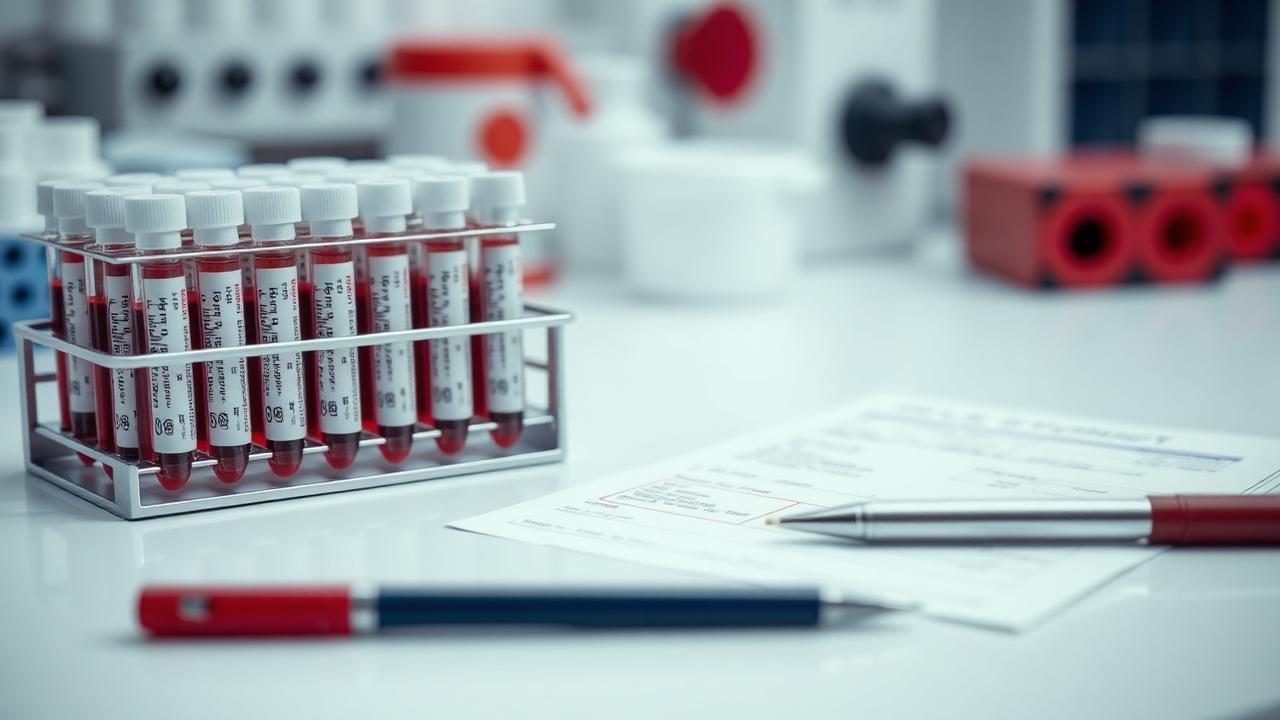
A useful baseline for a man being evaluated for low testosterone generally includes:
- Total testosterone, drawn in the morning when levels are highest
- Free testosterone, which reflects the hormone your tissues can actually use
- SHBG, which explains the gap between total and free
- Estradiol, because testosterone converts to estrogen and the balance matters
- LH and FSH, which help separate a testicular problem from a pituitary one
- A complete blood count, including hematocrit, which must be monitored on therapy
- A comprehensive metabolic panel and lipids to see the metabolic picture
- Thyroid function and vitamin D, which frequently mimic low T symptoms
- PSA when age appropriate, as a baseline before any therapy begins
Timing and preparation matter
Testosterone follows a daily rhythm and is typically highest in the early morning, so labs drawn at 4 p.m. can under-represent your true level. Acute illness, a night of heavy drinking, extreme training the day before, or a period of severe sleep deprivation can all temporarily suppress results. For that reason, a single borderline value is not a diagnosis. Repeating the draw on a separate morning is standard practice when the first result is ambiguous.
It also helps to arrive with context. Bring a list of your current medications and supplements, note any history of head injury, opioid use, anabolic steroid use, or testicular injury, and be ready to describe your sleep, alcohol intake, and training. These details change the interpretation of the same numbers.
Things that are not low testosterone
Part of an honest evaluation is ruling things out. Untreated obstructive sleep apnea is one of the most common causes of daytime fatigue and low morning energy in men over thirty, and it will not improve with hormone therapy. Hypothyroidism produces fatigue, weight gain, and low mood that look identical to low T on the surface. Iron deficiency, depression, and poorly controlled blood sugar all belong on the list as well.
In some cases, low testosterone is the downstream result of another problem rather than the root cause. Significant excess body fat increases the conversion of testosterone to estrogen and suppresses the signal from the brain that tells the testes to produce more. In those men, weight loss can meaningfully raise natural testosterone, and treating the metabolic issue first is often the smarter sequence.
When treatment makes sense
Treatment is appropriate when symptoms and labs line up and there are no contraindications. Testosterone therapy is not right for every man. It requires ongoing monitoring, it can affect fertility, and it raises hematocrit in some patients, which is exactly why follow-up labs are part of the plan rather than an optional add-on.
When therapy is appropriate, the plan should be individualized. Dose, frequency, and route are chosen based on your labs, your symptoms, your goals, and how you respond over the first several months. Some men do well on a weekly schedule; others feel far better splitting the same weekly amount into smaller, more frequent doses. For men who want to preserve fertility or prefer to stimulate their own production, enclomiphene is available at an additional cost and can be discussed during your consultation.
Whatever the plan looks like, it is meant to change over time. The first set of follow-up labs is not a formality. It tells us whether the dose is right, whether estradiol and hematocrit are where they should be, and whether the symptoms that brought you in are actually improving.
What a first visit looks like at Texian Health
Your first step is a $50 no-obligation telehealth consultation. That visit is a conversation, not a sales pitch. We go through your symptom history, your medical background, your training and sleep, and what you are actually hoping to change. If labs are warranted, initial labs are $150 and follow-up labs are $100, and every result is reviewed with you directly so you understand what the numbers mean.
If your clinical picture does not support testosterone therapy, we will tell you that plainly and point you toward what would actually help. That is the whole reason the consult carries no obligation and no requirement to purchase anything in advance.
If you have been explaining away the same set of symptoms for a year or more, measuring is a reasonable next step. Guessing has a poor track record.
This article is for general education and is not medical advice. Treatment decisions are made during a licensed provider evaluation.